
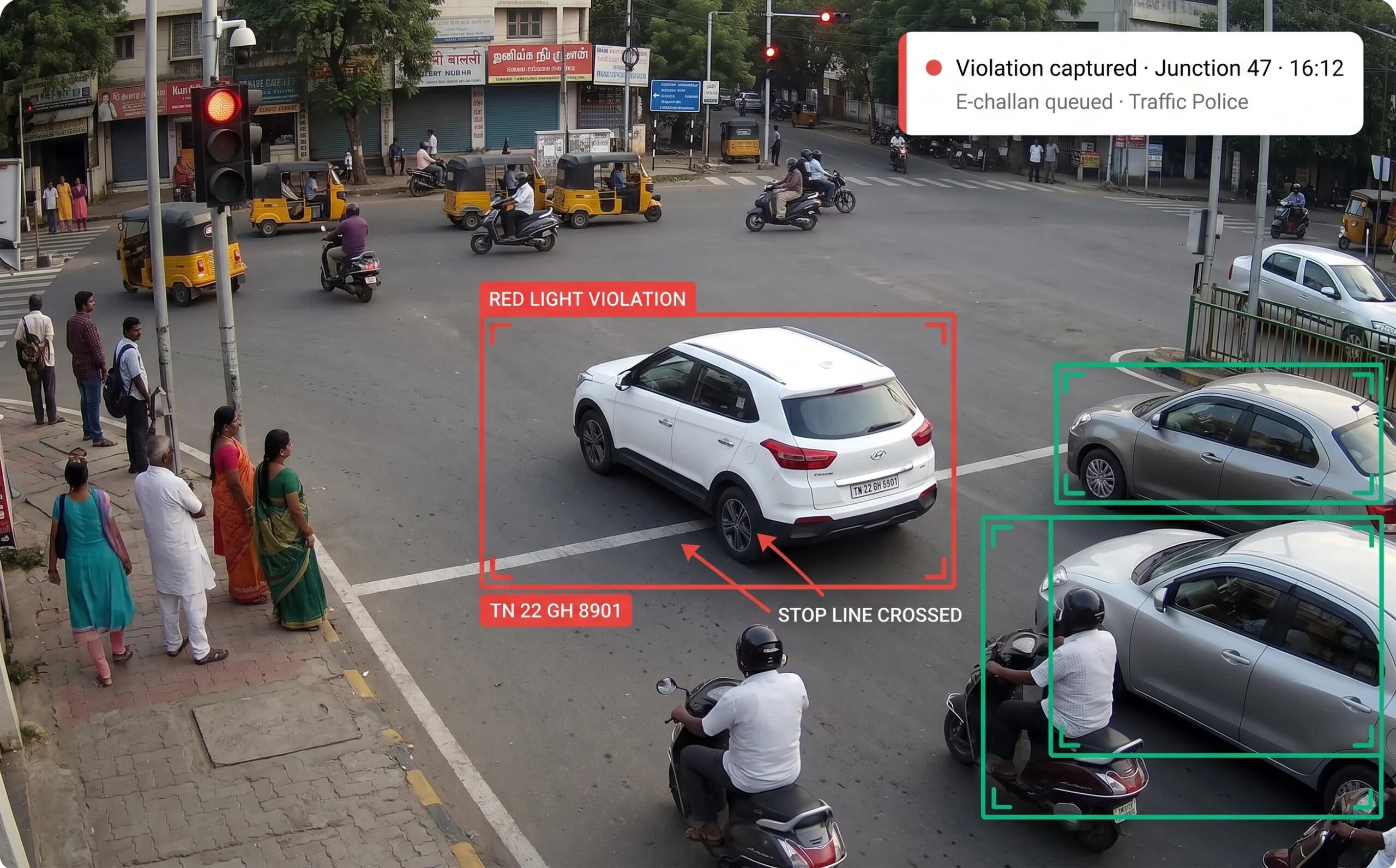

AI Computer Vision for Smart Cities of India
Part 1 of 10
From Passive CCTV to Intelligent Real-Time Monitoring
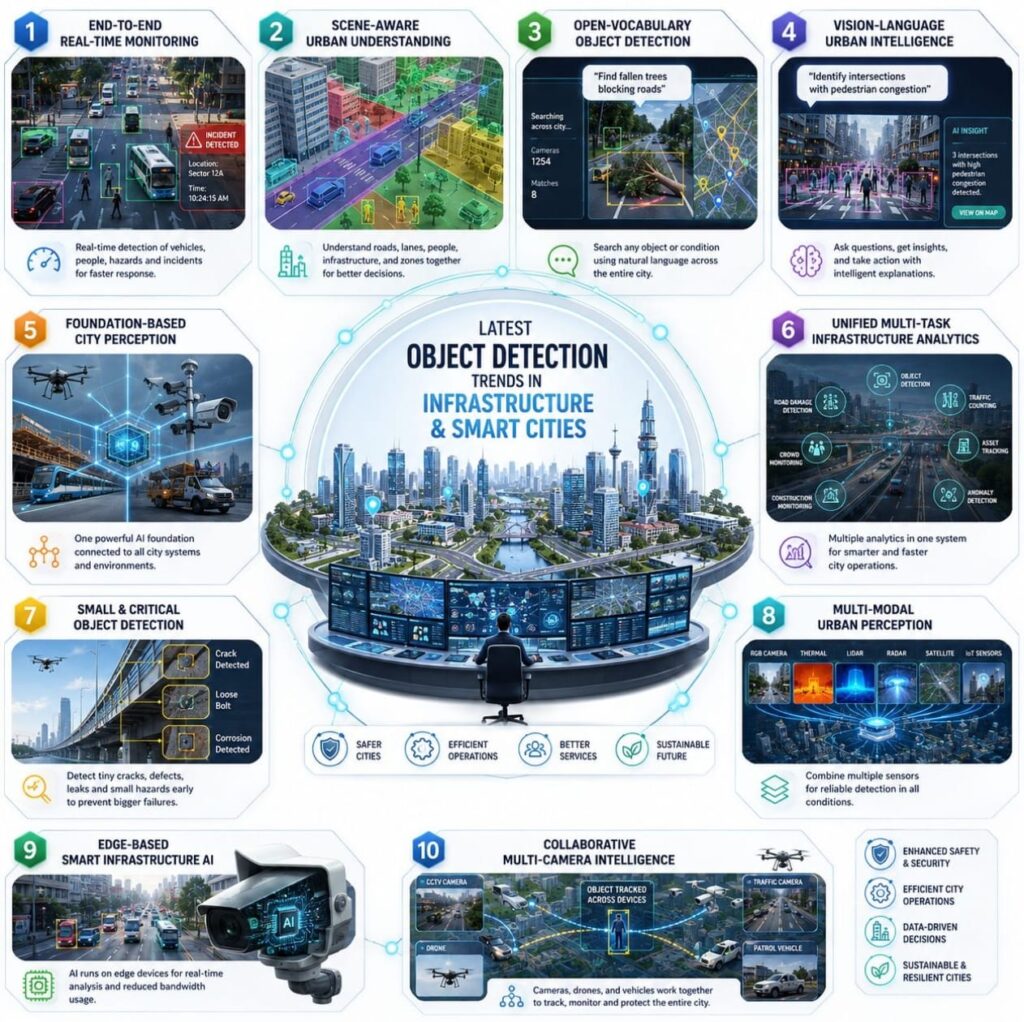
Why AI Computer Vision is the Foundation of Tomorrow's Smart Cities
By Hari Kishan
Chief Technology Officer (CTO)
Pancait Smart Systems
Pancait Smart Systems
Hari Kishan is a technology leader specializing in Artificial Intelligence, Computer Vision, Edge AI, and Intelligent Video Analytics. At Pancait Smart Systems, he leads the development of AI-powered Computer Vision solutions focused on smart infrastructure, public safety, and next-generation intelligent surveillance systems.
Executive Summary
India has made significant investments in Smart City infrastructure over the past decade, deploying thousands of CCTV cameras across roads, airports, railway stations, government buildings, and public spaces. Yet, despite this enormous infrastructure, most surveillance systems still function primarily as video recording devices.
Artificial Intelligence is changing this paradigm. AI Computer Vision transforms ordinary cameras into intelligent systems capable of understanding events as they happen, enabling faster decisions, improved public safety, and more efficient city management.
This first article introduces the concept of End-to-End Real-Time Monitoring and explains why AI Computer Vision is becoming the foundation of the next generation of Smart Cities.
Cameras Are Everywhere, But Intelligence Is Still Missing
Walk through any major Indian city today and you'll notice surveillance cameras almost everywhere. These cameras generate an enormous amount of video every day, yet only a small fraction is ever actively monitored.
The challenge isn't the lack of cameras.
The challenge is the lack of intelligence.
Traditional CCTV systems perform one task exceptionally well—they record everything. However, they cannot determine whether an accident has occurred, whether traffic is building up unusually, whether someone has entered a restricted area, or whether an emergency requires immediate attention.
Human operators are expected to monitor hundreds of camera feeds simultaneously, which is neither practical nor sustainable. Important incidents are often discovered only after they have already occurred.
A truly smart city requires more than cameras.
It requires cameras that can understand.
Seeing Is Not the Same as Understanding
One of the biggest misconceptions about surveillance technology is that higher-resolution cameras automatically make cities smarter.
They do not.
A camera simply captures pixels.
AI Computer Vision converts those pixels into meaningful information.
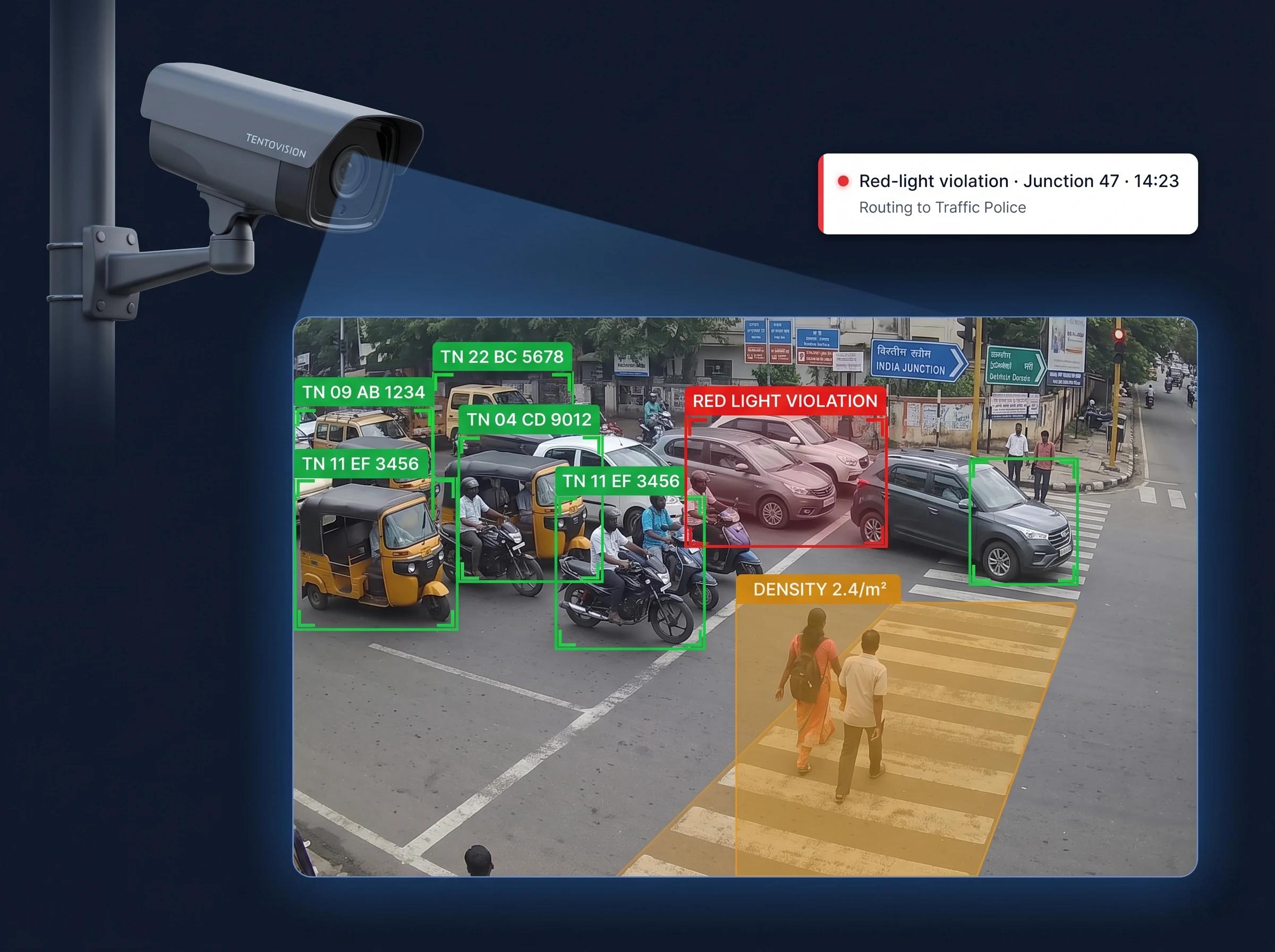
Instead of merely recording video, AI continuously analyzes every frame to answer questions such as:
Is traffic flowing normally?
Has an accident occurred?
Is a pedestrian in danger?
Has a vehicle stopped in a restricted area?
Is smoke or fire visible?
Is an unusual crowd forming?
Has an unauthorized person entered a secure zone?
This ability to understand visual scenes in real time is what separates intelligent monitoring from traditional surveillance.
From Video Recording to Real-Time Intelligence
Conventional surveillance follows a reactive approach.
Camera → Record Video → Store Video → Human Reviews Later
AI Computer Vision transforms this into a proactive workflow.
Camera → AI Analysis → Event Detection → Instant Alert → Human Decision → Immediate Response
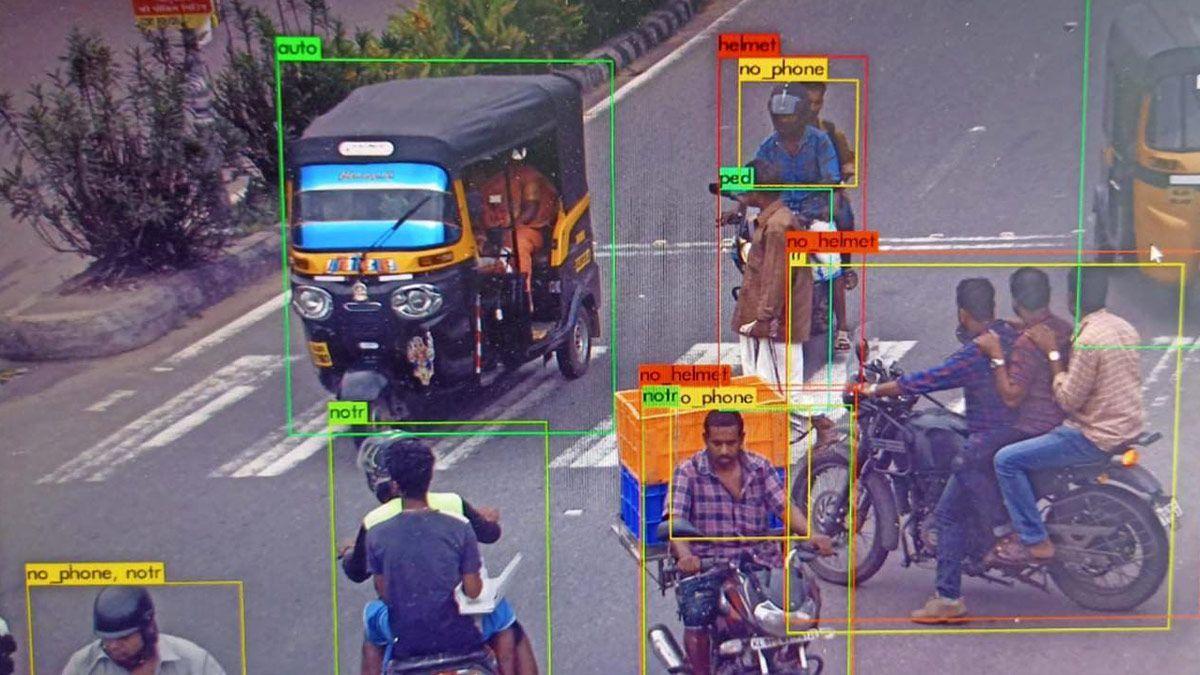
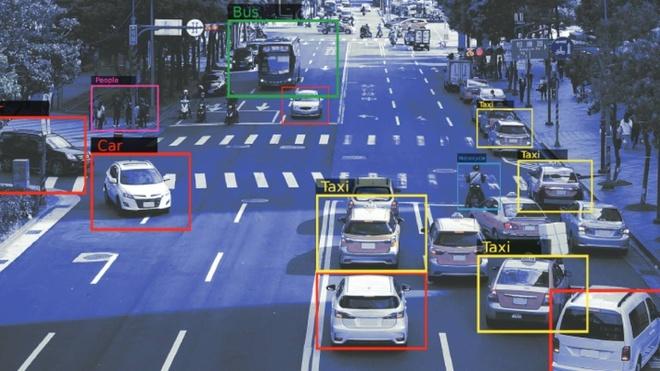
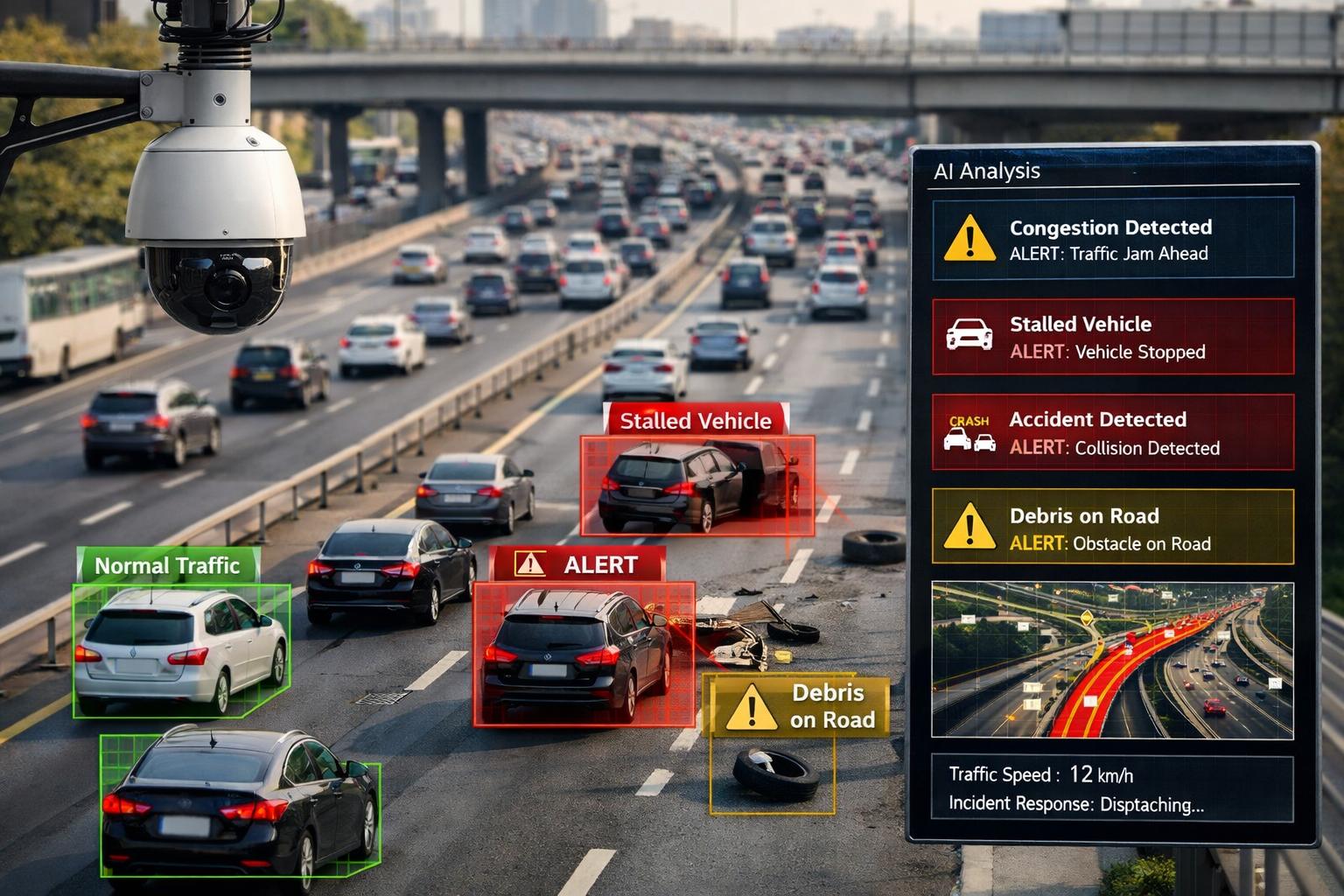
Rather than replacing human operators, AI works as an intelligent assistant that continuously monitors video streams and highlights only those events requiring attention.
This dramatically reduces response time while allowing security personnel to focus on decision-making instead of continuously watching screens.
Why End-to-End Real-Time Monitoring Matters
Real-time monitoring extends far beyond security.
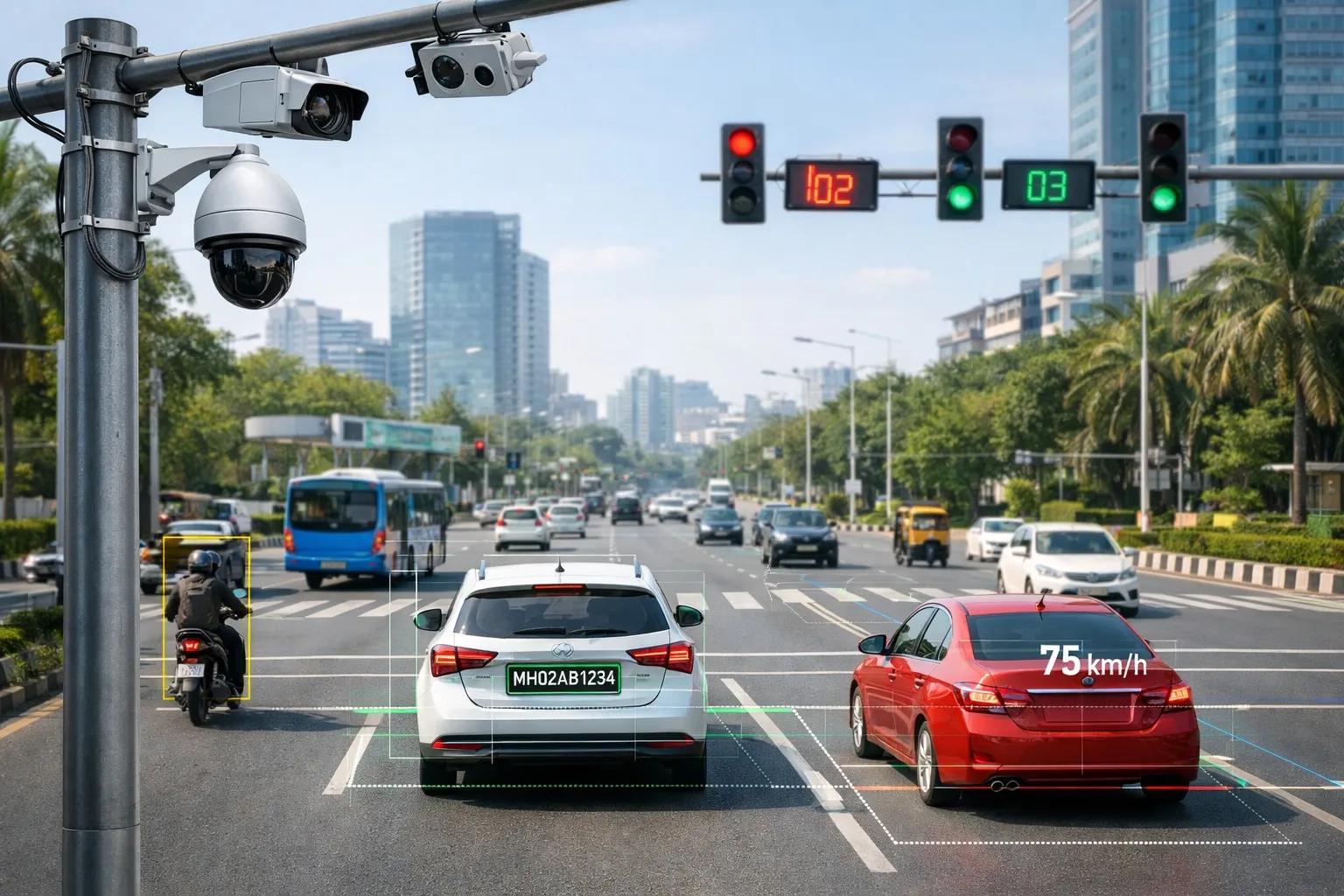
The same AI platform can simultaneously support multiple Smart City functions:
Intelligent Traffic Management
Detect congestion, wrong-way driving, stalled vehicles, accidents, and signal violations while helping optimize traffic flow.
Public Safety
Identify suspicious activity, monitor crowd density during public events, detect abandoned objects, and improve emergency response coordination.
Infrastructure Monitoring
Observe bridges, roads, public spaces, and critical infrastructure for abnormal conditions that require immediate attention.
Emergency Response
Automatically notify authorities when fires, accidents, or hazardous situations are detected, enabling faster response and potentially saving lives.
Operational Intelligence
Generate valuable insights into how city infrastructure is actually being used, supporting better urban planning and resource allocation.
The result is a city that doesn't simply record events—it actively understands what is happening.
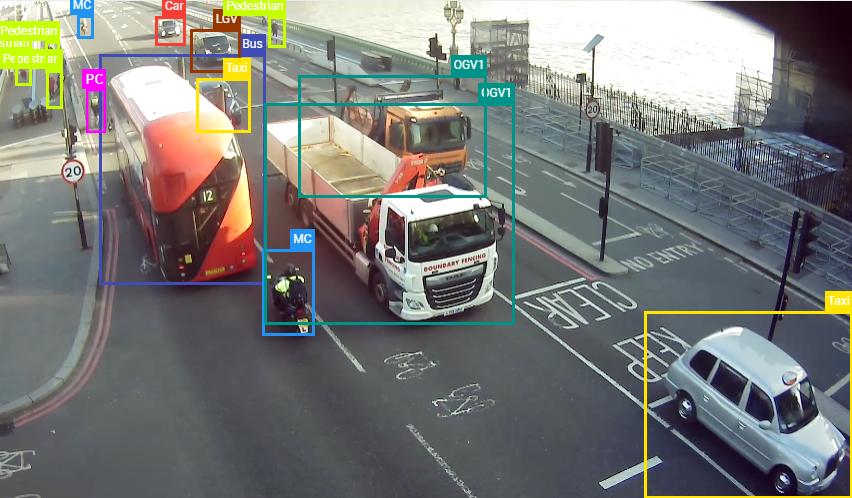
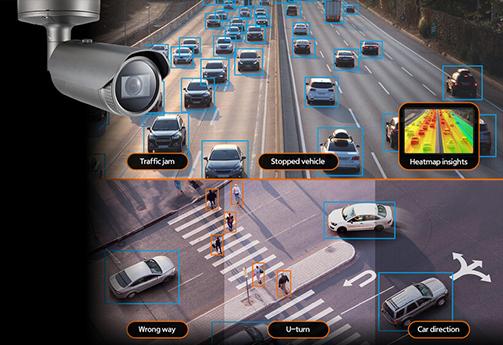
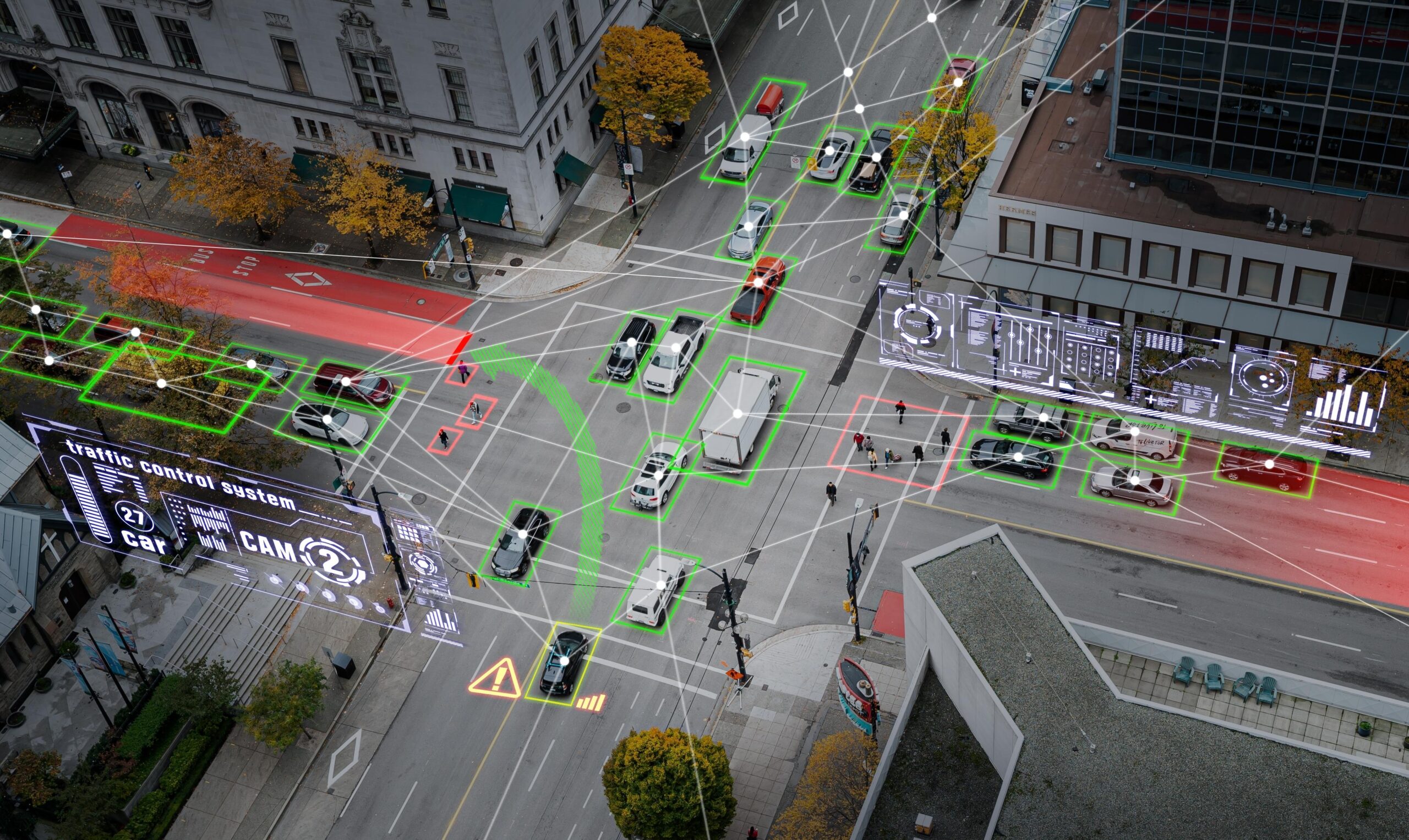
The Role of Edge AI
One important question often arises:
Where should this intelligence run?
Sending every video stream to a centralized cloud introduces latency, consumes bandwidth, and increases operational costs.
Edge AI offers a better approach.
By running AI models close to the camera, only meaningful events and alerts need to be transmitted to command centers. This reduces network traffic, enables near real-time responses, improves reliability, and allows critical decisions to be made even when network connectivity is limited.
For large Smart City deployments across India, Edge AI will play a crucial role in building scalable and efficient AI infrastructure.
Who watches the AI for false alerts at large scale?
Deploying AI at city scale introduces a new responsibility: continuously measuring whether the AI itself is behaving correctly. False positives, false negatives, model drift and unintended bias cannot be treated as one-time testing problems.
Responsibility should be shared between the AI provider, the government or city authority operating the system, independent evaluation teams, and trained human operators. Systems should continuously record AI-generated events, human verification, outcomes and performance metrics so that accuracy and fairness can be measured over time.
At scale, the objective should not simply be to ask "How accurate is the model?" but rather:
"How reliable is the complete AI system in the real environment where it is being used?"
This distinction is critical. A model that performs well in a laboratory may behave differently when exposed to changing weather, lighting, camera angles, crowded environments, different infrastructure and evolving patterns of activity. Responsible Smart City AI therefore requires continuous testing, monitoring, auditing and human oversight.
There is no single person or organization that automatically audits bias and false alerts at city scale. It has to be a shared responsibility between the AI provider, the system operator/deployer, independent evaluators, and—depending on the use case—regulators or government oversight bodies.
In a Smart City deployment, I would divide the responsibility into multiple layers like this:
1. AI technology provider — Pancait, for example
Before deployment, the AI engine provider should test:
False positives/negatives, Detection accuracy, Performance under different lighting/weather conditions, Different camera angles and resolutions, Different environments, Model drift after deployment, Bias across relevant populations or operating conditions, Frequency and severity of false alerts.
2. Multiple levels of Government / City authority — aka the deployer,
3. Human operators and
4. for high risk situations can also have Independent AI evaluation / audit.
A Vision for India's Smart Cities
The future of Smart Cities is not about installing more cameras.
It is about making existing infrastructure intelligent.
AI Computer Vision enables cities to move from passive observation to active understanding.
Instead of reacting after incidents occur, authorities can identify developing situations in real time, respond faster, improve operational efficiency, and make more informed decisions based on continuously generated insights.
As AI technologies continue to mature, cameras will evolve from simple recording devices into intelligent sensors that become an integral part of urban governance.
CTO's Perspective
India has a unique opportunity to become a global leader in AI-powered Smart Cities.
The country has already invested heavily in digital infrastructure. The next step is to build an intelligent software layer capable of interpreting the massive amount of visual data already being generated every second.
This transformation should not be viewed as replacing existing surveillance infrastructure. Instead, it should focus on enhancing it with AI, enabling cities to make better decisions while respecting privacy, transparency, and responsible AI principles.
At Pancait Smart Systems, we believe AI Computer Vision will become one of the most important technologies powering safer roads, smarter infrastructure, improved public services, and more efficient urban governance over the coming decade.
Conclusion
The journey toward truly intelligent cities begins with a simple shift in perspective.
Cameras should no longer be viewed merely as devices that capture video.
They should be viewed as intelligent sensors capable of understanding the world around them.
End-to-End Real-Time Monitoring is the first step in that journey.
It provides the foundation upon which future Smart City technologies—including scene understanding, predictive analytics, multimodal AI, and intelligent urban governance—will be built.
The cities of tomorrow won't simply watch.
They will understand.
Next Sunday
Part 2 of 10
Scene Understanding: Teaching AI to Understand an Entire City
We'll explore how AI moves beyond object detection to understand relationships between people, vehicles, roads, buildings, and urban environments—bringing us closer to creating true digital twins of our cities.
About the Author

Hari Kishan is the Chief Technology Officer at Pancait Smart Systems, where he leads the design and development of AI-powered Computer Vision platforms for intelligent surveillance, Edge AI, and smart infrastructure. His work focuses on building scalable AI systems that bridge advanced research with practical real-world deployments across public safety, enterprise security, and intelligent city applications.
 Resume
https://pancait.com/wp-content/uploads/2026/08/HKP_CTO26_resume.pdf
 Personal Portfolio
https://pancait.com/harikishan/
 LinkedIn
https://www.linkedin.com/in/harikishanp/
 Email
Email
cto@pancait.com
 Company
https://pancait.com

https://www.youtube.com/watch?v=64UeZRjMEY4&list=PL241cp9UpgAekCsiv6BdnRgEXNQTiwKXq
 Pancait on YouTube
https://www.youtube.com/@PancaitSmartSystems
Resume Personal Portfolio LinkedIn Email Company Pancait on YouTube